San Antonio Water System: How HDPE Use Scales
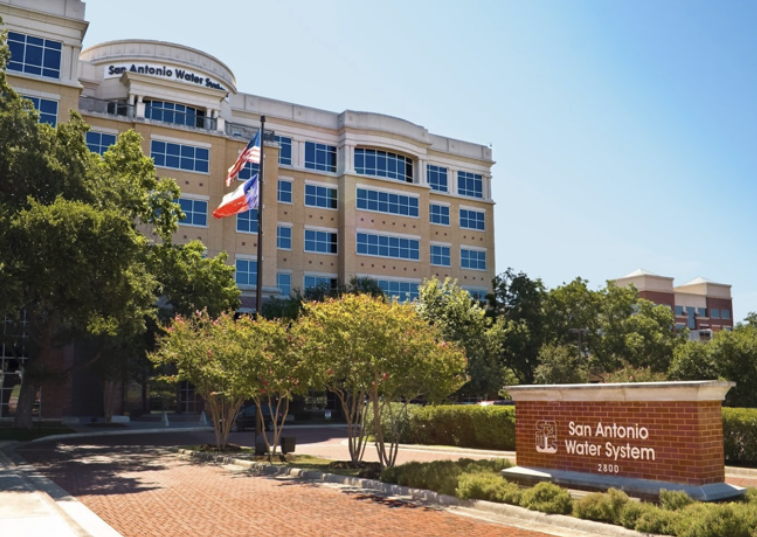
The San Antonio Water System (SAWS) is a public utility owned by the City of San Antonio, Texas, with a mission to provide sustainable, affordable water services. The utility serves more than two million people, including over 511,300 water customers and 457,600 wastewater customers, across Bexar, Medina and Atascosa counties. SAWS owns and operates 7,929 miles of water mains and 6,157 miles of sewer mains across a roughly 930-square-mile service area. The utility also runs the nation’s largest direct recycled water system, turning treated wastewater into a renewable resource for irrigation, data centers, manufacturing, and more. HDPE has become an important factor in helping SAWS deliver on its commitment to responsible water services.
SAWS has been installing HDPE pipe since the early 2000s, as much of the city’s existing cast iron and concrete pipe network is reaching the end of its useful life. The utility’s use of HDPE to replace aging infrastructure has been supported by the Plastics Pipe Institute (PPI) and the Alliance for PE Pipe. PPI has supported the utility through its Municipal Advisory Board (MAB), including participation from SAWS and Asset Manager Lance Rothe serving as a member. The Alliance for PE Pipe has also held several roadshows in the San Antonio area, helping educate staff on the technical and economic benefits of HDPE.
In January 2026, SAWS presented an updated Capital Improvement Program with a proposed budget of roughly $600 million dedicated to improving water and wastewater infrastructure. As part of the program, the utility scheduled more than 45,000 feet of HDPE water main replacement projects to be advertised in the first half of 2026.
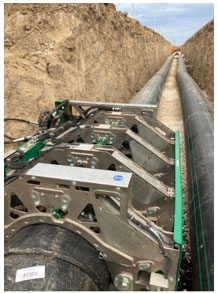
Since integrating HDPE into its infrastructure, SAWS has completed notable installations, including the Ruby Crossing Force Main Installation in May 2025. Roughly 9,000 feet of 20-inch DIPS DR 11 HDPE was installed using a combination of open cut and bore methods. Constrained working conditions required nearly half of all fusions to be performed in-ditch, eliminating the need for additional excavation. The project highlights HDPE’s versatility in urban utility work, allowing crews to adapt to site constraints more effectively than rigid materials.
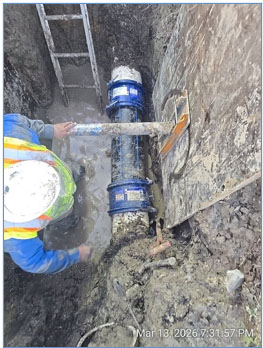
In municipal water main point repair work, most utilities follow a “like-for-like” approach, repairing PVC failures with PVC. SAWS has taken a different path. With more than 20 years of HDPE experience, their standard practice is to use #HDPEpipe for point repairs—relying on a material that delivers long-term performance. In this example, SAWS is using the Hymax GRIP with insert stiffeners to ensure HDPE remains restrained and leak-free. With hundreds of water main failures each year, HDPE has become their go-to solution—not just for repairs, but increasingly across their capital program as well.